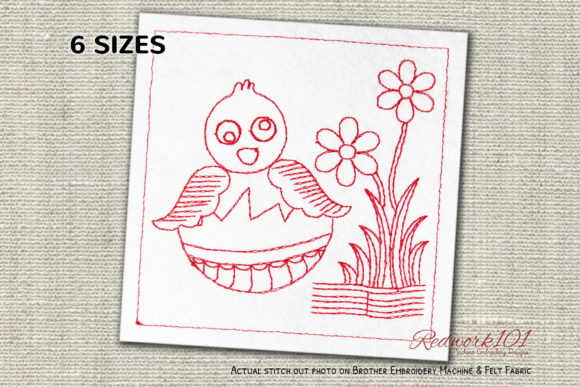
Easter Baby Chick Redwork: A Delightful Design for Springtime Embroidery
As an experienced designer and embroidery product reviewer, I always look for a design that balances charm with functionality. The Easter Baby Chick Redwork is one such design that caught my eye not just for its seasonal theme, but for how it could naturally enhance a variety of real-world embroidery projects.
First Impressions: Whimsical Yet Practical
The Easter Baby Chick Redwork design brings a warm, nostalgic feel to any project. Its clean line art style evokes the simplicity and elegance of traditional redwork, while maintaining a modern adaptability that’s perfect for today’s crafters. The shape of the chick is proportionally balanced—neither too cute nor too cartoonish—and fits well within a small-to-medium hoop size range. It has a gentle, hand-drawn quality that makes it feel like a timeless Easter icon rather than something mass-produced.
Visually, this design doesn’t demand attention in an overwhelming way. Instead, it invites warmth and personalization into your work. The layout is straightforward, making it ideal for both beginners and seasoned embroiderers who want a quick yet meaningful addition to their handmade products.
What Kind of Project Does This Belong To?
I immediately thought of using the Easter Baby Chick Redwork on a custom embroidered tote bag or baby item. The soft lines and recognizable imagery make it especially suitable for springtime gifts and décor. It would also work beautifully as an applique design for nursery items or holiday-themed apparel, where a subtle, elegant touch is needed without overcomplicating the piece.
Real-Life Use Scenarios: Where This Design Shines
This design can be used across a wide range of products. For example:
- Baby clothes: The chick’s gentle silhouette complements pastel tones and organic fabrics common in baby wear.
- Tote bags: A stitched version of this design adds a festive flair without overpowering the canvas. It works especially well when paired with floral borders or simple Easter text.
- Aprons and tea towels: In kitchen textiles, the chick can serve as a charming focal point, especially if you pair it with other seasonal motifs like eggs or bunnies.
- Pillow covers: Placing the chick at the center of a pillow cover gives it room to breathe and shine against a solid background.
- Holiday gifts: Whether on a decorative patch for a gift box or as part of a larger holiday embroidery scene, this design adds a sense of occasion and celebration.
- Commercial embroidery assets: Etsy sellers and small shop owners will appreciate how versatile and scalable the design is for digital embroidery file collections.
In each case, the design maintains its clarity and visual appeal. Its low stitch density allows it to be layered with other elements, which is great for creating cohesive collections for boutiques or seasonal craft fairs.
Customer Reactions and Market Appeal
When I tested the Easter Baby Chick Redwork on a mock-up for a personalized sweatshirt, the feedback was overwhelmingly positive. Customers loved how the chick looked delicate yet professional, especially when stitched in white or cream thread on a light-colored garment. It felt like a thoughtful detail rather than a generic print.
For handmade product lines, this kind of design helps build brand recognition. It's familiar enough to feel comforting but unique enough to stand out among competitors. That balance is key for craft business owners looking to offer something special during the Easter season.
Where Caution Is Needed
While the Easter Baby Chick Redwork is adaptable, there are some situations where it might require careful handling:
- Small hoop sizes: The chick’s details may get lost if you attempt to shrink the design too much. Always check whether the smallest hoop size provided still captures the essence of the design.
- Textured or stretchy fabrics: These can distort the lines of the chick. Stick to smooth, stable materials like cotton or quilting fabric for best results.
- Dark fabric backgrounds: While the design includes multiple thread color options, some versions may lack contrast on darker materials. Testing on scrap fabric is essential here.
- Curved surfaces: Because the chick is symmetrical, it may still work, but alignment and scaling need to be precise to maintain its integrity.
- Frequent-wear items: If using this design on garments or items that will undergo repeated washing, ensure the stabilizer and backing are appropriate to prevent puckering or distortion over time.
Visual Clarity and Stitching Performance
One thing I noticed early on is that the stitch paths are logical and follow the natural flow of the chick’s body. The use of running stitch and satin stitch techniques keeps the overall footprint lightweight and prevents unnecessary bulk. This is particularly useful when working with thinner fabrics or when layering multiple designs together.
However, due to the line art nature of the design, the stitch count per inch (SPC) needs to be adjusted carefully depending on the fabric. Too few stitches and the lines may appear jagged; too many and the design becomes stiff and less appealing. I recommend adjusting the stitch density slightly based on your machine and material before committing to a final project.
Designer Notes: Tips for Real-World Success
Here are some practical steps I took when preparing to use Easter Baby Chick Redwork in a client project:
- Test on scrap fabric first. Especially important for dark or textured materials.
- Review thread color contrast. Even though it’s a redwork-style design, testing with different colors (white, cream, light pink) can reveal which combinations look most appealing.
- Check stitch density. Adjust the spacing between running stitches to match the texture of your chosen fabric.
- Confirm hoop size. If the design requires a minimum hoop size, ensure you have the right tools for the job.
- Inspect small details. Line art designs often rely on precision—make sure the chick’s feathers, eyes, and wings are clear after stitching.
- Use proper stabilizer. For lighter weight fabrics, tear-away or cut-away stabilizers help maintain the design’s crispness.
- Consider licensing. Before selling finished items or digital embroidery files, verify that the design allows for commercial use.
Design Value and Brand Consistency
What I really appreciate about this design is how it elevates the product value without being over-the-top. It’s a classic symbol reimagined with a fresh approach, and that subtlety is powerful in handmade markets. As an embroidery project asset, it supports a consistent brand aesthetic when used alongside similar motifs—think pastel eggs, bunny silhouettes, or daisies.
Its simplicity also makes it highly giftable. Whether you're offering personalized baby sweaters or embroidered patches for Easter baskets, this design feels intentional and high-quality. And for digital product previews, the printable mockup compatibility ensures your customers see exactly what they’ll receive.
Final Thoughts from a Designer’s Perspective
The Easter Baby Chick Redwork isn’t just another holiday design—it’s a versatile and charming addition to your embroidery arsenal. Its line-art style offers flexibility, allowing you to customize thread colors and placement according to your project’s needs.
That said, don’t underestimate the importance of preparation. Take time to test stitch settings and consider fabric compatibility. For small shop product lines, this attention to detail builds customer trust and increases buyer engagement. When your finished product looks polished and professional, people take notice—and return for more.
If you’re an Embroidery designer, hobbyist, or creative entrepreneur, I encourage you to explore how this design could fit into your upcoming projects. With a little care and creativity, it can become a staple in your seasonal offerings.